

Real Assets
We build future energy systems and resilient infrastructure, backing emerging opportunities in technology, land and water.

Natural capital investment has the potential to create value beyond the landscape itself, supporting the communities, skills and local economies connected to the land. Watch our latest video to see how Foresight is working with communities and partners across our Natural Capital portfolio.
Restoring nature, creating woodland and managing land more sustainably requires a considered approach. For Foresight, that means looking beyond the environmental potential of an individual asset and considering its relationship with the people and communities around it.
The scale of the UK's land transition presents a significant opportunity. More woodland needs to be created and existing woodland actively managed, while landscapes also have an important role to play in supporting biodiversity, restoring ecosystems and sequestering carbon. Achieving those ambitions means bringing communities on the journey.
Land is never separate from the people who live and work around it. Changes to landscapes can influence local communities, businesses and rural economies for generations. Building strong relationships at a local level can help communities develop a meaningful connection to how those landscapes evolve and the opportunities they create.
One example can be found in Dumfries and Galloway...
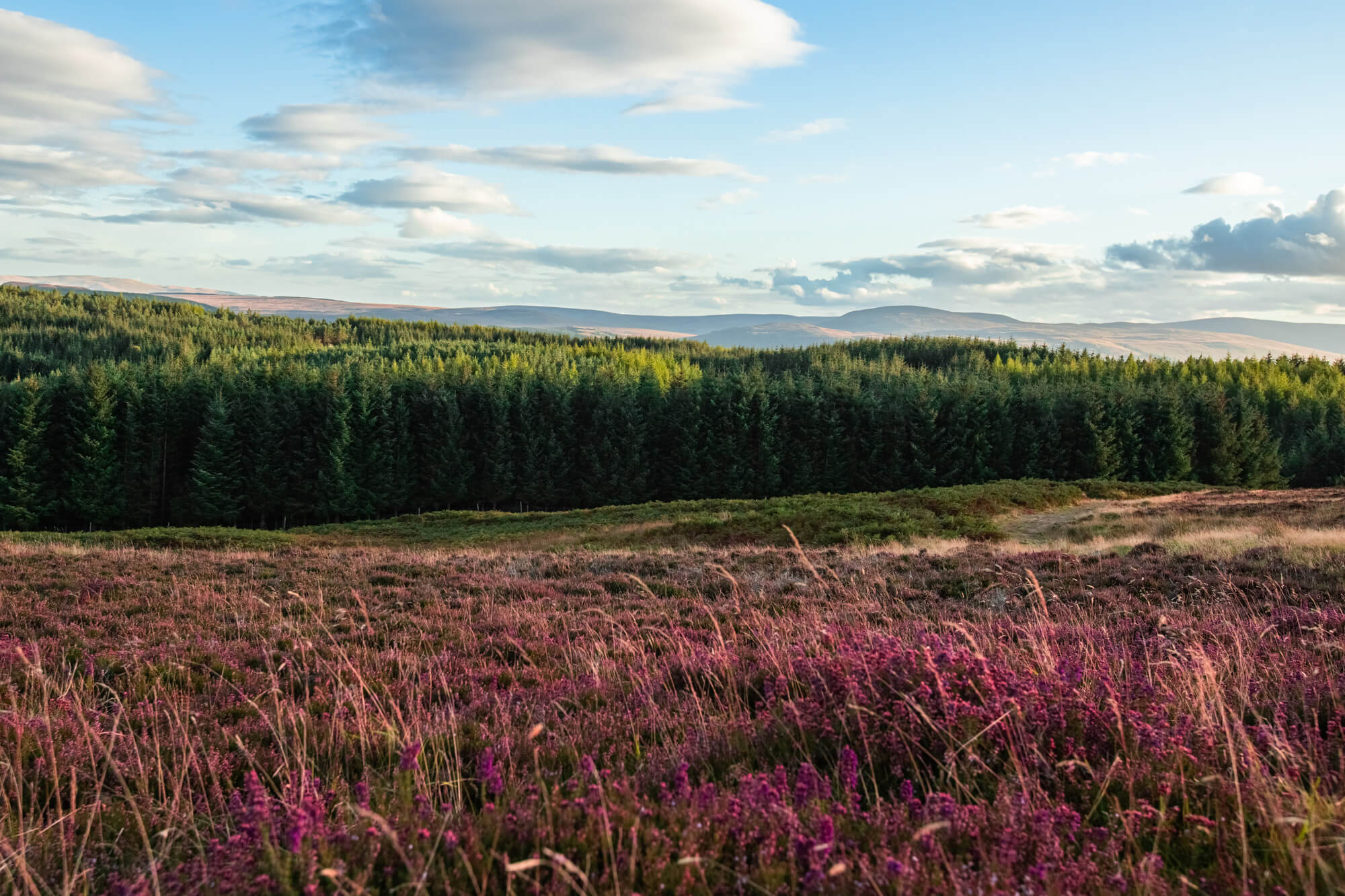
Upper Barr is a 300-hectare afforestation site where Foresight has worked with local communities and specialist forestry partners as the site has developed.
Within the wider site sits Glaisters Bridge Community Woodland, a six-hectare area that has been leased by Foresight to a community group led by the Upper Urr Environment Trust for 20 years.
The partnership gives the community the opportunity to make the woodland its own over the long term, creating a space that can evolve alongside the people who use it.
Activity at Glaisters Bridge so far has included tree planting, paths, benches, scything events, poetry gatherings and music sessions, helping to create a woodland that people can access, experience and enjoy.
It demonstrates how the role of a natural capital asset can extend beyond any single outcome. Alongside woodland creation, carbon sequestration, wetland restoration and biodiversity enhancements, there is an opportunity to consider how investment in land can contribute to the communities connected to it.
Crucially, what that looks like will be different in every location. The needs of each community and the characteristics of each landscape will vary, making local engagement and strong partnerships particularly important.
Delivering the UK's ambitions for woodland creation and nature restoration is not only a question of land. It also requires people with the skills and experience to make that transition possible.
Forestry highlights the challenge.
Creating new woodland is one part of the picture. Ensuring woodland is actively and effectively managed over its lifetime requires a skilled workforce, from forest management and machine operations to the many other roles that support the sector.
Creating accessible pathways into those careers can therefore help support the long-term development of the sector.
The New Entrant Programme featured in our video is one example of work designed to introduce people to the range of opportunities available within forestry and give participants practical exposure to the industry.
For someone considering a career in forestry, understanding what different roles involve and how to enter the sector can be an important first step. Developing those pathways also contributes to help address a wider challenge: ensuring the skills and workforce exist to support the management and restoration of landscapes in the years ahead.
It is another way in which investment in natural capital can connect environmental ambitions with the communities and rural economies around them.
Glaisters Bridge and the forestry skills programme are individual examples, but together they illustrate a broader principle.
Natural capital investment operates across long time horizons. Over those periods, the success of a landscape cannot be considered solely through what happens within an asset boundary. It is connected to the people who manage it, the communities surrounding it, the local economy and the wider natural systems of which it forms part.
Taking that broader view can help identify opportunities for environmental and community outcomes to reinforce one another.
For Foresight, this means continuing to explore how partnership and engagement can sit alongside investment in woodland creation, sustainable forestry, nature restoration and biodiversity across our Natural Capital portfolio.
The initiatives will differ depending on the landscape and local context, but the principle remains consistent: land transition is ultimately about creating resilient landscapes that can continue delivering value for decades to come.


You have viewed 0 of 0

