Real Assets
We build future energy systems and resilient infrastructure, backing emerging opportunities in technology, land and water.
By Sebastian Beloe, Managing Director of Sustainability
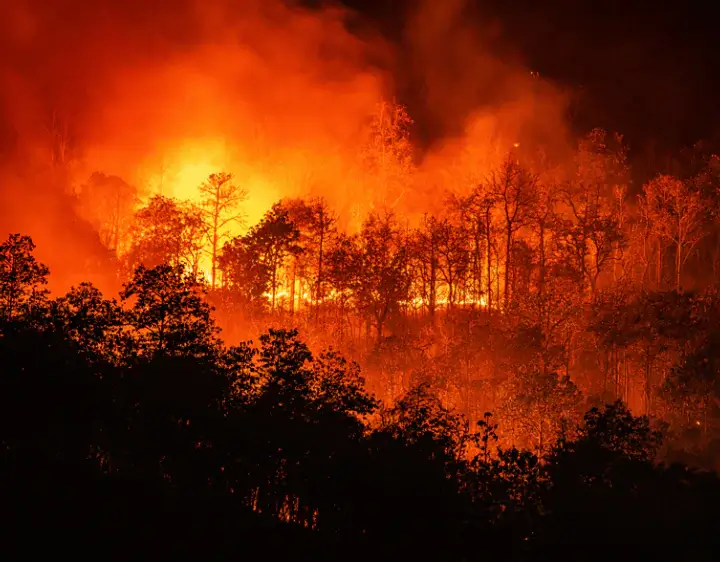
Record-breaking temperatures are no longer exceptional - they've become the ‘new normal’. Heatwaves are disrupting businesses, straining infrastructure and fuelling more frequent and severe wildfires. But while wildfires grab headlines, they are just one element of a much broader challenge: extreme heat.
And this is only the beginning. Global temperatures are expected to continue their upward trajectory. If this summer has felt extreme, scientists predict the next will be even hotter due to a potential "super El Niño"[1].
For investors, the question is no longer whether rising temperatures will affect assets and businesses, but how those impacts can be managed. With investments spanning energy transition infrastructure, natural capital and SMEs, Foresight sees first-hand how extreme heat reshapes risk, resilience and asset performance. The challenge is clear - but so is the opportunity to build more resilient assets and businesses.
From Construction Sites to Operating Assets
Extreme heat is affecting every stage of the infrastructure lifecycle across Foresight's portfolio. As temperatures have risen, building resilience and adapting to climate risk have become critical disciplines in protecting long-term asset value.
Extreme heat influences everything from land quality and construction conditions to operational performance. During the construction of solar farms, higher temperatures can reduce productivity, alter working patterns and extend project timelines. In countries like Greece, contractors are often unable to work outdoors during the hottest parts of the day due to worker safety requirements. While contractual arrangements can help shield investors from direct cost increases, delays can still affect project delivery schedules.
Foresight has already seen examples of how projects can adapt. During the construction of the Consortium Solar portfolio in Greece, heatwaves prompted the introduction of earlier working hours, mandatory rest periods, enhanced hydration measures, cooling facilities and ongoing monitoring of workers for signs of heat stress. These practical measures helped maintain safety and operational resilience despite challenging conditions.
Wildfires are a growing threat to solar sites, causing physical damage, operational disruption, and rising costs. Foresight sites have experienced wildfires firsthand. While the impact can be significant, proactive land management, including removing dry vegetation and replacing it with drought-resistant plants or managed grazing, is essential to mitigating wildfire risk and protecting long-term operations.
Operations Under Pressure
Renewable energy assets face new challenges. Significant impacts arise from the accelerated ageing of equipment. Critical components, such as transformers and inverters, naturally deteriorate over time, but exposure to extreme temperatures shortens their lifespan. If key equipment fails, energy generation can be interrupted until repairs or replacements are completed, creating both operational and financial consequences.
The good news is that many of these risks can be managed. Effective monitoring and maintenance, coupled with preventative cooling equipment, can help extend asset life and reduce the likelihood of unexpected failures.
Heat also affects the performance of solar panels. Most panels are designed to achieve optimal efficiency at around 25°C. But for every degree above this, output declines by 0.3-0.5%, meaning exceptionally hot conditions can reduce generation efficiency - even on sunny days. Generally, high temperatures reduce production by 1-2% over the summer. However, this is typically outweighed by the impact of abundant sunshine that often accompany heat waves and boost electricity production, even with lower panel level efficiencies.[2]
Impacts on Growing Businesses
Extreme heat is not only an infrastructure issue. Businesses across our private equity portfolio are also experiencing a range of climate-related challenges. These include reduced productivity or working hours for supply chains and outdoor employees; higher cooling costs increasing energy consumption and reducing margins; and lengthy planning applications for air cooling systems compromising the quality of customer experiences. Businesses in Foresight’s private equity portfolio, have navigated these challenges well, reporting only minor operational impacts so far. However, they will need to remain alive to these challenges moving forward.
Climate resilience is now a business imperative for planning, capital allocation, and customer relationships. Companies that adapt early will be better positioned to manage risk and capture opportunity.
Adapting to a Hotter Future
The reality is that extreme heat is now a recurring feature of the typical operating environment. Adaptation measures that we now use across our portfolios include proactive risk assessments, contractual protections, enhanced monitoring technology and infrastructure upgrades designed to improve resilience. Engagement with policymakers and industry bodies also has an important role to play in ensuring regulatory frameworks evolve alongside climate risks.
In many cases, the focus is not simply on reducing downside risk but on creating a competitive advantage. Assets and businesses that demonstrate greater resilience to extreme weather may ultimately be more attractive to investors.
Looking Ahead
Climate scenario assessments, including through frameworks such as the Task Force on Climate-related Financial Disclosures (TCFD), indicate that extreme heat is very unlikely to have a material impact on Foresight Group's overall performance. However, the effects can be far more significant at an individual asset or business level.
Extreme heat, wildfires and other climate-related challenges are now a part of the environment in which investors and businesses operate. The organisations that adapt early, invest in resilience, and plan ahead will be best placed to navigate the years ahead. For investors, getting ahead of these changes is no longer simply about managing risk. It is about building stronger, more resilient assets for the future.
This article has been issued by Foresight Group LLP (“Foresight”) which is authorised and regulated by the Financial Conduct Authority, under firm reference number 198020. Foresight’s registered office is The Shard, 32 London Bridge Street, London, SE1 9SG. This article has not been approved as a financial promotion for the purpose of Section 21 of the Financial Services and Markets Act 2000. Without limitation, this article does not constitute an offer, an invitation to offer or a recommendation to engage in any investment activity. Foresight does not provide financial, legal, investment or tax advice.