

Real Assets
We build future energy systems and resilient infrastructure, backing emerging opportunities in technology, land and water.

Embracing the opportunity of DEI
Investment managers have the power to embed equity into the financial system, but this requires going beyond compliance-led approaches. As the diversity, equity and inclusion (DEI) debate evolves, investors should be bold in pointing to its value. With £13.7bn1 under management across a broad investment universe, Foresight invests at a meaningful scale to drive change across a range of asset classes and markets.
We see diversity as a core part of any smart investor’s toolkit - widening participation supports better decision-making and strengthens returns alongside delivering social outcomes. It also builds a more resilient business for our future growth. Following International Women’s Day, gender remains a critical lens through which we can understand the value of embracing DEI.
DEI 2.0 and the role of diverse leadership
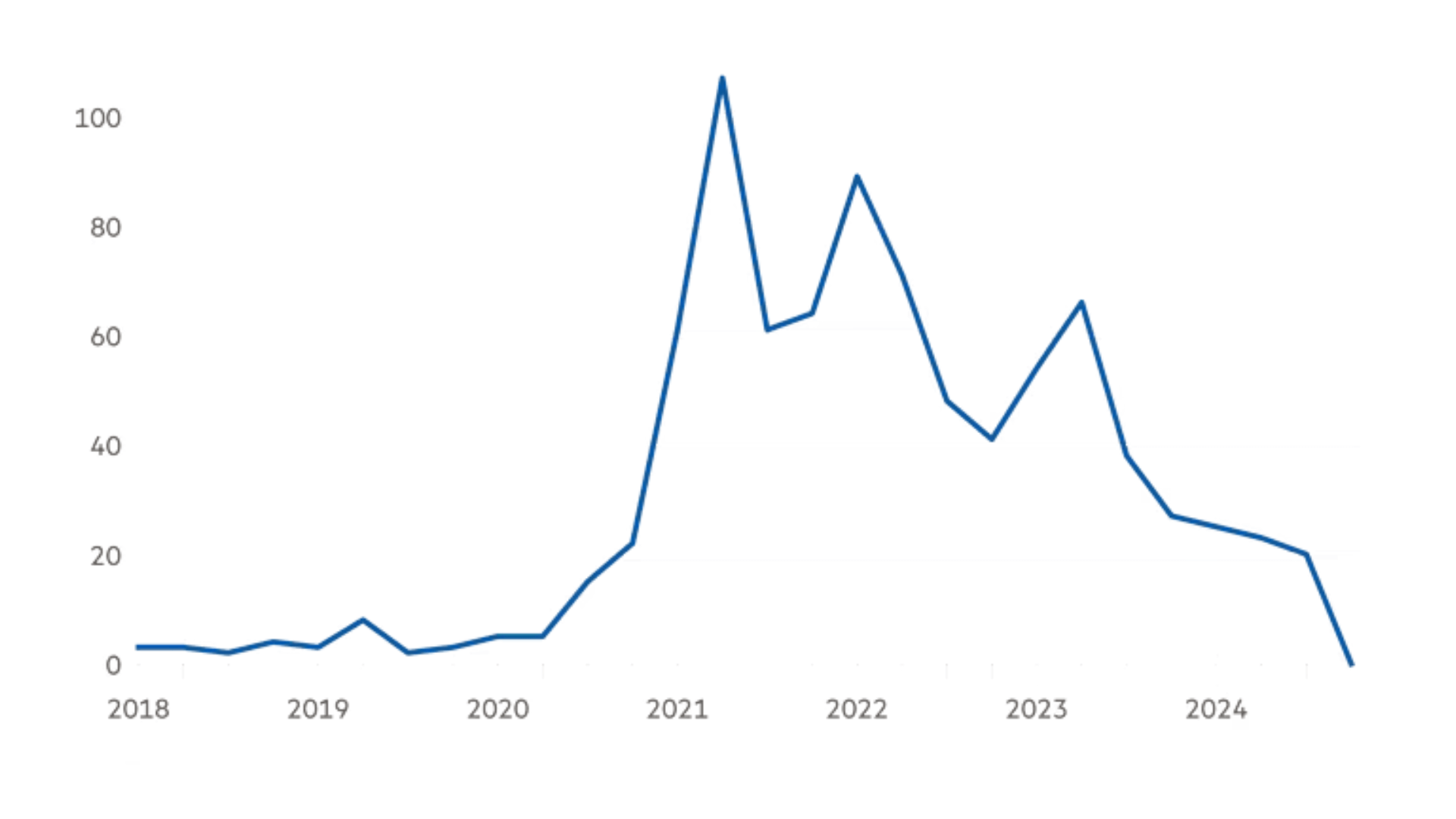
As conversations around DEI evolve, the investment landscape is shifting with them. In some markets - particularly the US - DEI has become politicised, leading several companies to scale back disclosures or soften commitments.
This shift has created space for a more evidence-based approach: “DEI 2.0”2. Rather than focusing on labels, DEI 2.0 centres on the true drivers of high-performing teams - cognitive diversity, strong employee engagement, and high-quality decision-making.
Figure 1: Mentions of diversity, equity and inclusion or DEI during investor calls (Alphasense)3
For investors, the strongest evidence points to the importance of inclusive cultures that enable people to perform at their best. Companies with high levels of employee engagement and satisfaction have been shown to deliver stronger long‑term shareholder returns, reflecting the value of motivated, supported and empowered workforce.4
Diversity and inclusion play a critical role in building these cultures - broadening perspectives, strengthening decision‑making and supporting the development and retention of talent - which in turn underpins sustainable commercial success.
This sits alongside the reality that female-founded businesses receive under 2% of UK equity capital5. At Foresight, we see a different picture in our portfolio. Around 30% of the companies in our private equity portfolio in the UK and Ireland are led by women - a reflection of our place-based investment model, which reaches founders and leaders often overlooked by traditional networks.
These leadership teams are delivering real results. This includes SME lending marketplace Funding Xchange (FXE), where CEO and cofounder Katrin Herrling has overseen significant commercial expansion, earning recognition such as being awarded Innovator of the Year at the Women in Credit Awards 2025.
Our exited investments also reinforce the link between diverse leadership and value creation. At Mowgli, founder Nisha Katona partnered with Foresight to scale the business from three sites to fifteen, generating more than 500 jobs and delivering a 3.5x return on exit in 2023. These examples show that supporting diverse leadership is not only the right thing to do, it is smart capital allocation.
Looking beyond the footprint
When taking a focused and evidence-based approach to DEI, investors should think of a company’s footprint and handprint. The footprint covers the operational side of the company, which might include policies on parental leave, workforce diversity, and how the company supports its employees. The handprint reflects the company’s external impact, created from what it sells or produces. While most gender-focused investment focuses on footprint issues, the handprint can be equally, if not more, important.
Bright Horizons Family Solutions, a Foresight investment, illustrates this. As a childcare provider, it helps to address one of the biggest barriers to women’s workforce participation: reliable, accessible childcare.
By supporting employer sponsored centres - including onsite facilities - Bright Horizons strengthens retention, accelerates return to work pathways and enables more women to stay and progress within their careers. These types of handprint impacts create long-term social and economic value that extends beyond the operational footprint of a company. With revenues doubling to just under $3bn over the last decade, this company is an example of the opportunities available to investors who look at the systemic impact of key DEI issues.6
The business case for tackling diversity gaps
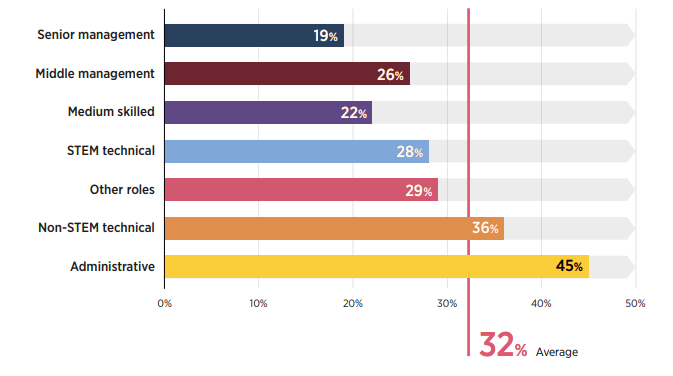
We know that diverse teams consistently make better decisions, manage risk more effectively and bring a wider range of experiences to problem‑solving. This strengthens the case for improving diversity in sectors where gaps persist, such as renewable energy and finance.
This work must start early, including by addressing the gender gap in key STEM7 subjects. That’s why at Foresight we place such a strong emphasis on engagement with schools and young people, building awareness in clean energy careers and the breadth of opportunities in STEM8. In the 2024-5 academic year, this included nearly 1300 students visiting 22 of our wind and solar assets. For investors, prioritising this kind of early engagement helps to drive social impact whilst sustaining the future talent required for our sector.
We also recognise the importance of targeted programmes for those already advancing in their careers. That is why the Elevate programme was developed, an award-nominated leadership initiative delivered by Foresight to advance women in finance. >50% of participants at Foresight have been promoted within 12 months of completing the programme, reinforcing the value that these programmes can bring to businesses and their employees9.
Figure 2: Female share of full-time employment in global renewable energy sector, by role (IRENA)10
Diversity as an engine of growth
We recognise the wide-reaching impact that Foresight can have as a sustainable investor. Whether it is through how we manage our investments to how we operate as a business, we understand the opportunity that exists for investors who embrace diversity.
While progress will take time, we believe that by looking beyond slogans and focusing on targeted actions that catalyse investment and business outcomes, a more resilient and effective approach to DEI can emerge.
About the authors
The authors represent teams from across Foresight’s platform: Rachael Monteiro and Anna Elliott from Foresight Capital Management Sustainability, Molly Galloway from Real Assets Sustainability, and Mahika Gupta from Private Equity IR. Together, they bring perspectives spanning the multiple investment strategies we deploy across both private and public markets, reflecting the breadth of Foresight’s investment universe. All provide deep experience in sustainability integration, with a shared focus on delivering insights that add value for our investment teams across the business.


