Real Assets
We build future energy systems and resilient infrastructure, backing emerging opportunities in technology, land and water.

Dear Future Prime Minister,
At a pivotal moment for UK leadership on climate and economic policy, I would urge you to keep one priority firmly in focus: tackling deforestation - and doing so with pace and pragmatism.
For too long, developed economies, including the UK, have imported low-cost commodities while exporting deforestation. Correcting that imbalance is essential if we are serious about climate mitigation and biodiversity recovery. The direction of travel is clear. The challenge is execution.
There’s a compelling domestic resilience and security of supply case for action. Despite being a relatively small island, the UK is the world’s second-largest net importer of timber1, behind China. That dependence leaves us exposed. Recent shocks, from Covid-19 to the war in Ukraine and instability in the Middle East, have demonstrated how fragile global supply chains can be. Timber has not been immune.
This is not a niche issue. Timber underpins construction, infrastructure, packaging, and the transition to a low-carbon economy. A secure and resilient supply is therefore not a ‘nice to have’ - it is a strategic necessity. At the same time, sustainable timber offers one of the clearest opportunities to decarbonise the built environment, transforming it from a major source of emissions into a long-term carbon sink.
Encouragingly, the UK has begun to act. The recent proposed framework requiring due diligence on forest-risk commodities is an important step forward, alongside the EU Deforestation Regulation. But frameworks alone are not delivery.
Forests are not simply an environmental issue: they are foundational to both the economy and to net zero. More than half of global GDP depends on nature2, and the science is clear: without large-scale nature-based solutions, there is no credible pathway to achieving climate goals.
Against that backdrop, I urge you to maintain, rather than dilute, the UK’s commitment to ending deforestation in supply chains by 2030. At a moment when global standards are tightening, stepping back would weaken both climate progress and the UK’s position in sustainable finance and trade.
Equally important is how policy is implemented. There is a real risk that, in pursuit of a perfectly designed system, progress is delayed. That would be a mistake. Taking imperfect action now, while refining frameworks over time, is far preferable to striving for an ideal solution that never materialises. The UK does not need a flawless regime on day one, but it does need a functioning one.
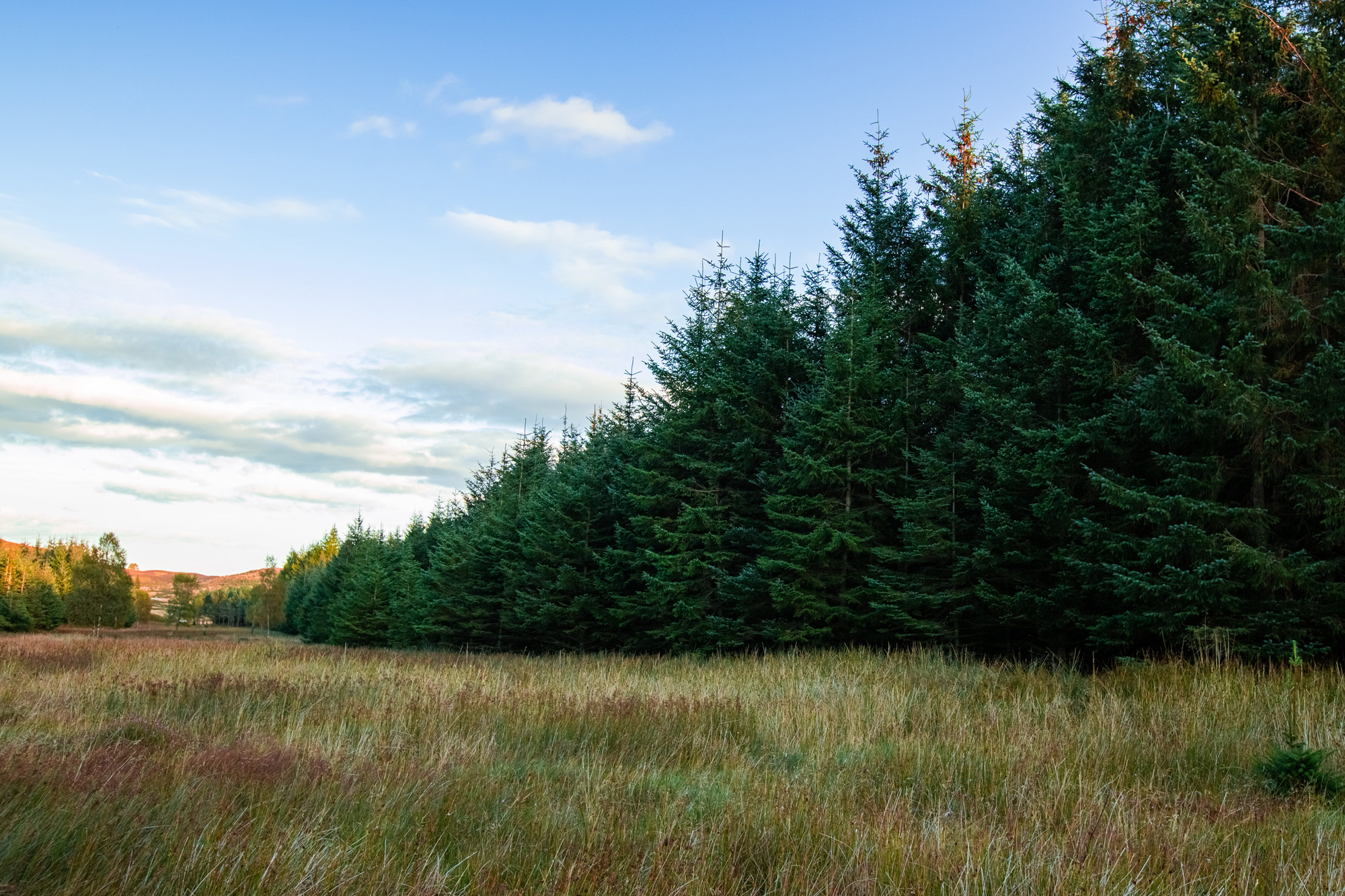
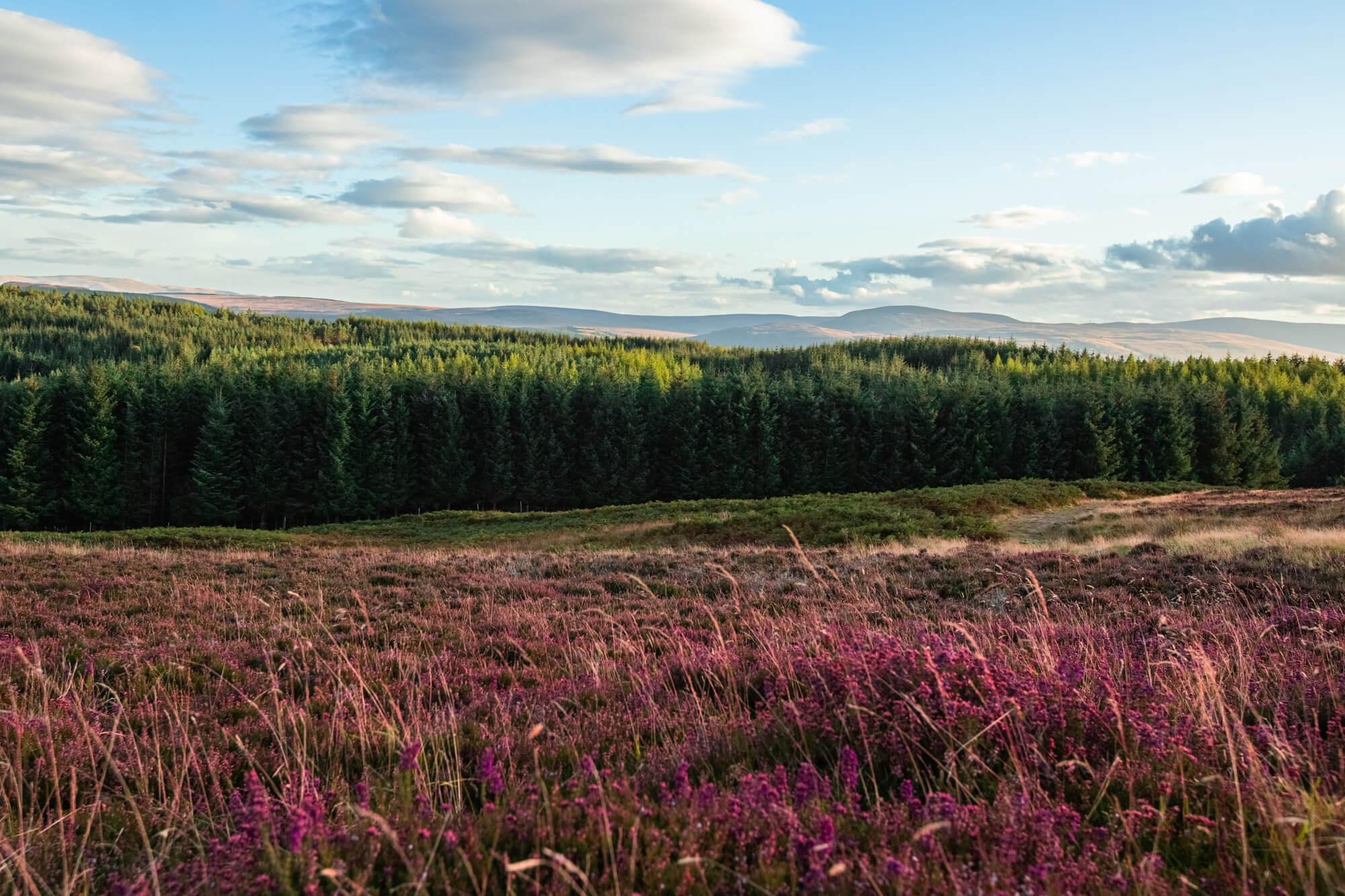
This cannot be treated as an offshore problem alone. We must also reforest the UK - quite literally for our children’s sake.
At Foresight we are already seeing what this can look like in practice. Through our Natural Capital strategy, we have demonstrated that afforestation can be delivered at scale - but only where it is done with communities, not to them. Without meaningful local engagement, projects tend to stall. With it, they can accelerate. Our portfolio aims to plant 11.5 million trees and has already supported more than 700 rural jobs3.
This is not a philanthropic exercise. It is about building commercially viable, investable landscapes capable of delivering attractive double-digit returns for investors, while also addressing climate change, biodiversity loss, and rural regeneration. It is entirely possible to deliver both.
However, unlocking this at scale requires one further step. I would strongly encourage your government to accelerate the integration of the Woodland Carbon Code into the UK Emissions Trading Scheme. Doing so would reinforce the value and credibility of UK carbon credits - transforming the economics of afforestation and unlocking significant private capital.
The opportunity is substantial. To meet net zero targets, the UK needs to expand woodland cover from 13% to at least 17% by 20504, requiring close to one million hectares of new woodland5. Integrating voluntary carbon markets into the UK ETS would act as a powerful catalyst, enabling large-scale land use change, supporting tens of thousands of jobs, strengthening timber security, and delivering a meaningful contribution to climate mitigation and nature recovery.
You face a clear choice: allow momentum to stall or build decisively on the foundation already laid.
Tackling deforestation is no longer about ambition: it is about delivery. With the right policy choices, the UK can protect global forests, rebuild its own natural capital, and establish itself as a leader in sustainable finance.
The ambition exists. The focus must now be on execution.
This article has been issued by Foresight Group LLP (“Foresight”) which is authorised and regulated by the Financial Conduct Authority (“FCA”), under firm reference number 198020. Foresight’s registered office is The Shard, 32 London Bridge Street, London, SE1 9SG. This article has not been approved as a financial promotion for the purpose of Section 21 of the Financial Services and Markets Act 2000. Without limitation, this article does not constitute an offer, an invitation to offer or a recommendation to engage in any investment activity. Foresight does not provide financial, legal, investment or tax advice. The information contained in this article is based on material we believe to be reliable. However, we do not represent that it is accurate, current, complete or error free.


You have viewed 0 of 0